

10 Unique Winter Activities to Experience in Steamboat Springs for Skiers and Snowboarders
November 30, 2025
Just Landed in Steamboat and Don’t Ski? Here’s What Sno-Go Is
December 12, 2025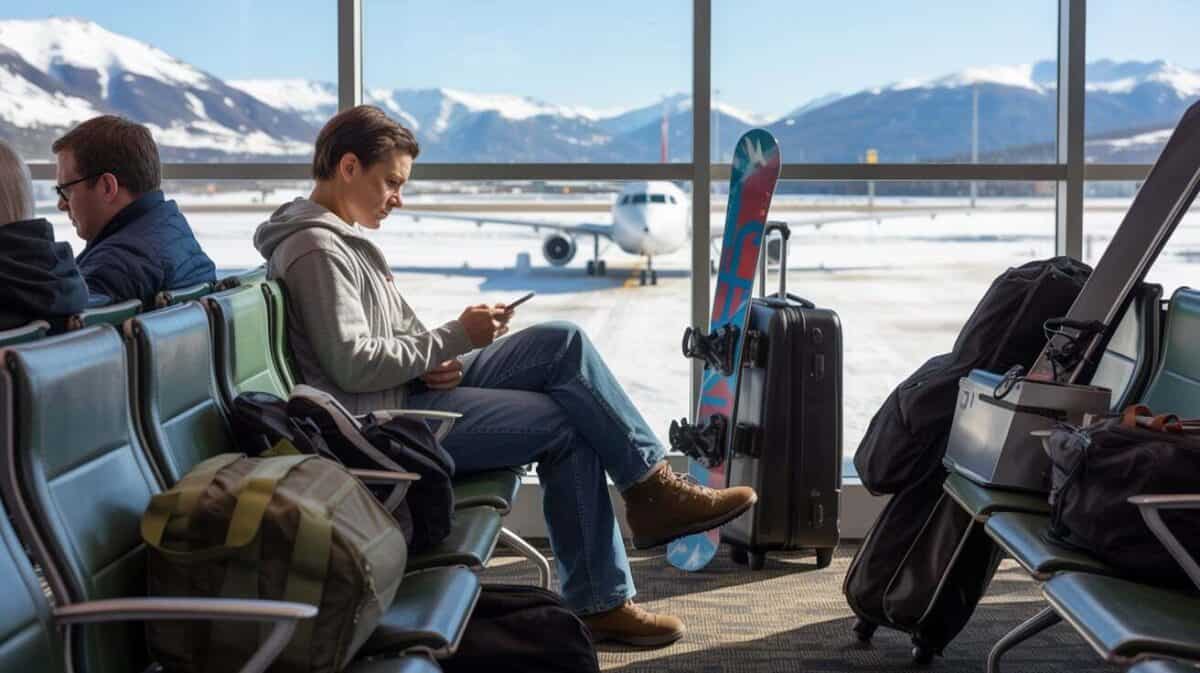
You’ve booked your Steamboat Springs ski trip. Now comes the stressful part: Do you drag your gear through security checkpoints, pray it arrives undamaged, and fork over airline fees? Or do you skip the hassle entirely and rent when you land?
If you’ve ever watched your ski bag disappear down the conveyor belt and wondered if you’ll see it again, you’re not alone. One user on X captured the feeling perfectly in October 2025: “Traveling with skis by plane can be very cumbersome.” That’s the reality for thousands of travelers heading to Routt County every winter season.
Here’s the thing: this decision affects more than your wallet. It impacts how quickly you hit the slopes, whether your gear performs on Steamboat Ski Resort’s legendary champagne powder, and how much stress you carry through airport terminals.
We’re going to walk through exactly what matters when choosing between bringing your own equipment or renting from steamboat rentals equipment. No fluff, just the facts you need to make the right call for your trip.
Why More Skiers Are Choosing Rentals Over Baggage Fees
The trend is clear: travelers heading to Steamboat Springs are increasingly leaving their gear at home. Recent discussions from 2025 on Reddit and Tripadvisor show that convenience beats ownership for most people making trips under a week.
Here’s what’s driving this shift:
- Airlines haven’t made things easier. Weight limits remain at 50 pounds per bag, and overweight charges start immediately after that threshold.
- Modern rental equipment has caught up. You’re no longer settling for beat-up skis from five seasons ago.
- Transport risks keep adding up. Damaged edges, broken bindings, lost bags at connecting flights.
Ian Prichard, co-founder of Black Tie Ski Rental Delivery, puts it plainly: “When you look at your skis in your Texas garage and the edges are all rusty and the equipment isn’t up to date, do you really want to pay to fly with them and then pay another $50 to get them tuned?”
That question hits home for anyone who’s pulled dusty equipment from storage only to realize it needs work before hitting the mountain.
Breaking Down What Airlines Actually Charge in 2025
Let’s cut through the confusion around airline policies. Here’s what you’re actually dealing with when flying to Yampa Valley Regional Airport or Denver for a Steamboat trip:
| Airline | Equipment Policy | Weight Limits | Watch Out For |
| Southwest | Ski equipment counts as one of two free checked bags | Up to 50 lbs standard | Best deal if you have two free bags already |
| Delta | One ski bag plus one boot bag accepted | Combined up to 70 lbs for checked baggage | Oversize fees may apply for longer equipment |
| United | Sports equipment counts toward checked allowance | 50 lbs standard limit | Standard baggage fees apply if not in allowance |
| American | Ski bag plus boot bag counts as one item | Up to 100 lbs for special items | No specific oversize fee noted for skis |
Critical detail most people miss: Airlines generally let you combine skis, poles, and boots into one checked item, but that doesn’t mean it’s free. If you don’t have a free checked bag allowance, standard fees apply.
Southwest offers the best advantage here since ski equipment can substitute for one of your two free checked bags. That’s a genuine cost saver if you’re strategic about packing.
But here’s the catch: policies change. Always verify directly with your airline before your flight because what’s true today might shift by next season.
The Real Costs Beyond the Baggage Counter
Airline fees tell only part of the story. What about everything that happens after you check your bag?
Hidden expenses when bringing your own gear:
- Tune-ups before departure – Those rusty edges need professional attention, usually $40-$60 at minimum
- Overweight charges – Pack too much and you’re hit with fees that can reach $100+ per bag
- Damage repairs – Airlines don’t always treat ski bags gently, and replacement bindings aren’t cheap
- Time lost at baggage claim – Especially painful when powder days are waiting
One ski shop owner noted in a 2025 analysis: “They’re finding it’s more practical than the exorbitant prices for demos and high-performance rental skis in resort towns.” While this referenced shipping versus flying, the principle applies to rentals too.
When you rent locally in Steamboat Springs, you’re getting recently tuned equipment ready for immediate use. No waiting at baggage claim. No last-minute panic about missing gear.
What Makes Renting in Steamboat Springs Worth It
Access to properly maintained equipment matters more than most people realize, especially on varied terrain like Howelsen Hill or the back bowls at Steamboat Ski Resort.
Key advantages of local rentals:
- Professional fitting – Proper boot fitting reduces injury risk and increases comfort dramatically
- Latest equipment – Many shops rotate inventory regularly, giving you access to current season models
- Local expertise – Staff know exactly what works for Steamboat’s specific snow conditions
- No transport stress – Your vacation starts the moment you land, not after hunting down lost luggage
For families visiting Steamboat Springs, rentals solve another problem entirely: kids outgrow equipment fast. Renting means appropriate sizing every trip without the expense of constantly replacing gear at home.
We’ve seen this firsthand at One Stop Ski & Cycle. Parents appreciate not having to track whether their kid’s boots from last season still fit or if bindings need adjustment for growing children.
When Bringing Your Own Gear Actually Makes Sense
Renting isn’t always the answer. Some situations genuinely favor bringing personal equipment, and it’s important to acknowledge when that’s true.
You might prefer flying with your own gear if:
- You ski frequently (10+ days per season) and know your equipment intimately
- Your gear has custom modifications or specialty items hard to replicate in rentals
- You’re staying longer than two weeks and rental costs would exceed baggage fees
- You have airline status that includes free checked bags
Advanced skiers who’ve invested in high-performance equipment often feel the difference when switching to rental gear. That’s legitimate. If your skis are dialed in exactly how you want them, the consistency matters on technical terrain.
But be realistic about the condition. If your edges are rusty or your bases need work, you’re not actually bringing optimal equipment anyway.
Smart Strategies When You Choose to Fly With Equipment
Decided to bring your gear? Here are practical steps to minimize hassle and cost:
Pack strategically:
- Combine items wisely – Fit skis, poles, and boots into one bag when possible to count as single checked item
- Stay under 50 pounds – Weigh your bag before the airport to avoid surprise overweight charges
- Pad vulnerable areas – Wrap bindings and tips to prevent damage during handling
- Remove loose parts – Take off anything that could break or cause the bag to be flagged
Know TSA rules: Ski poles must be checked and cannot go in carry-on luggage. This catches people off guard at security.
For battery-powered equipment like avalanche beacons, verify they meet FAA guidelines for lithium batteries. If you’re unsure about specific devices, check faa.gov/hazmat or speak with airline staff before your flight.
One Reddit user’s advice from a 2018 thread still holds true: carefully weigh whether $140+ in transport costs beats local rental rates for your trip length. Sometimes the math clearly favors one option.
How Rental Quality Has Changed the Game
The rental equipment stigma is outdated. What you’ll find at quality shops in Steamboat Springs today competes directly with mid-to-high-end personal gear.
Modern rental fleets include:
- Current season models from major manufacturers
- Regular maintenance cycles ensuring edges stay sharp and bases stay waxed
- Performance options for advanced skiers who need responsive equipment
- Specialty items like sno-go ski bikes that are nearly impossible to fly with anyway
At One Stop Ski & Cycle, we maintain our rental fleet to the same standards we’d want for our own trips. That means professional tuning between rentals and replacing equipment that doesn’t meet performance standards.
You’re not getting bottom-tier gear from a decade ago. You’re getting equipment that’s ready for Steamboat’s diverse terrain, whether you’re cruising groomers or exploring tree runs.
Addressing Peak Season Availability Concerns
One legitimate worry about renting: Will equipment be available when you need it, especially during busy periods like early season openings in November-December or holiday weeks?
Here’s how to lock in what you need:
- Reserve in advance – Most shops allow online booking weeks before your trip
- Be specific about skill level – Accurate self-assessment helps shops match you with appropriate gear
- Book early in the day – If you must walk in without reservation, mornings offer better selection
- Consider premium options – Higher-tier rentals are often available even when standard gear is tight
The potential for queues at rental shops during peak times is real, but advance reservations solve this almost entirely. A few minutes of planning beats hoping for availability when you arrive.
If you’re visiting during major holiday periods, booking two to three weeks ahead makes sense. For off-peak travel, even a few days notice usually suffices.
What About Gear Damage and Replacement Costs?
Airlines don’t guarantee your equipment arrives intact. That’s stated clearly in their policies, and damaged gear claims can be frustrating to resolve.
Common damage from air travel:
- Bent edges from rough handling
- Broken bindings from pressure or impact
- Scratched bases from improper storage
- Separated ski tips from compression
When you rent locally, damage during your trip is typically covered by the shop’s policies, assuming it’s normal wear and tear rather than negligence. That’s one less thing to worry about on the mountain.
Airlines may offer compensation for lost or damaged bags, but the process takes time and doesn’t help when you’re standing at Steamboat Ski Resort ready to ski but missing equipment.
Environmental Considerations Worth Mentioning
Recent discussions in 2025 ski magazines have highlighted environmental benefits of renting versus transporting personal gear across the country.
Why this matters:
- Fewer items checked means less fuel burned for transport weight
- Shared rental pools reduce overall equipment manufacturing demand
- Local shops can recycle and repurpose gear more efficiently than individual owners
This isn’t the primary factor for most people, but it’s worth recognizing that rental systems create less carbon impact than everyone flying with individual equipment sets.
If sustainability matters to you, renting aligns with reducing your travel footprint while still enjoying great days on the mountain.
Making Your Decision: Key Questions to Ask Yourself
Every trip to Steamboat Springs is different. Here’s how to figure out what works for your specific situation:
Ask yourself:
- How many days am I skiing this trip? (Under five days usually favors renting)
- Do I have free checked bags with my airline status? (Changes the cost calculation)
- Is my gear in good condition right now? (Rusty edges tip the scale toward renting)
- Am I traveling with family or kids? (Renting simplifies logistics significantly)
- Would I enjoy trying different equipment? (Rentals let you experiment with new models)
For most travelers flying into Routt County for a week or less, the convenience and hassle reduction of renting outweighs the benefits of bringing personal gear. That’s what the data supports and what we see from customers at One Stop Ski & Cycle.
But if you’re a serious skier who’s out 15+ days a season and your equipment is competition-ready, bringing your own gear makes more sense despite the logistics involved.
Get Ready to Hit Steamboat’s Slopes
The choice between renting gear in Steamboat Springs or paying airline baggage fees comes down to your specific trip details, how often you ski, and how much you value convenience over familiarity.
For most people visiting Steamboat Ski Resort or Howelsen Hill, local rentals eliminate stress while providing quality equipment that’s properly tuned for local conditions. You save time at the airport, avoid the risk of damaged or lost gear, and start your vacation immediately when you arrive.
At One Stop Ski & Cycle, we’ve helped many visitors make this transition smoothly. Whether you need skis, snowboards, sno-go ski bikes, or full equipment packages, we’re here to get you on the mountain quickly with gear that performs.
Ready to simplify your next Steamboat trip? Stop by our shop or reserve your equipment online before you fly. We’ll have everything fitted and ready when you arrive, so you can focus on what matters: making the most of your time in Colorado’s champagne powder.
Frequently Asked Questions
What’s the typical cost difference between renting skis in Steamboat and paying airline baggage fees?
Standard checked baggage fees range from $30-$75 per bag each way on most major airlines, totaling $60-$150 round trip. Rental costs vary by equipment quality and trip length, but generally favor renting for trips under five days. Always verify current airline policies directly, as fees can change. Contact local rental shops in Steamboat Springs for exact pricing based on your specific dates and equipment needs.
Can I reserve rental equipment before arriving in Steamboat Springs?
Yes, most shops including One Stop Ski & Cycle offer advance reservations online. Booking ahead is especially important during peak season (November-December openings and holiday weeks) to ensure availability. This also reduces wait times when you arrive and guarantees you’ll get the equipment type and size you need.
Will rental equipment perform well enough for advanced skiers?
Modern rental fleets include performance and demo options that compete with high-end personal gear. Many shops rotate inventory regularly and maintain equipment to professional standards. Advanced skiers should request premium rental tiers and communicate their skill level clearly when reserving. If you have very specific equipment preferences or custom modifications, bringing your own gear may still be preferable.
What happens if my checked ski bag gets lost or damaged by the airline?
Airlines have policies for lost or damaged baggage, but claims can take time to resolve and may not cover full replacement costs. This doesn’t help when you’re ready to ski but missing equipment. File a claim immediately at the airport if damage occurs. For lost bags, the airline will track them down, but this could take days. Rental shops can quickly get you on the mountain while your gear is located.
Are there weight restrictions I should know about when flying with ski equipment to Colorado?
Most airlines limit checked bags to 50 pounds to avoid overweight fees, though some special sports equipment allowances extend to 70-100 pounds depending on the carrier. Exceeding these limits can add $100+ in charges. Always weigh your packed ski bag before heading to the airport. Combining skis, poles, and boots strategically helps stay under limits while counting as one checked item.
Does One Stop Ski & Cycle offer equipment delivery in Steamboat Springs?
Contact us directly for current delivery options and services. We’re focused on getting you outfitted quickly, whether you visit our shop in person or need alternative arrangements. Our staff can discuss what works best for your specific lodging location and schedule in Steamboat Springs.
